

Trump Calls Iran a “Failed Nation” as US-Iran Conflict Raises Oil and Market Risks
US-Iran tensions have sharply escalated after a fresh exchange of military strikes, with US President Donald Trump declaring Iran a “Failed Nation” and saying “IT IS DEAD!” as Washington and Tehran resumed hostilities after a period of relative calm. Trump made the remarks on Truth Social on August 31, following US strikes on Iran’s Larak […]
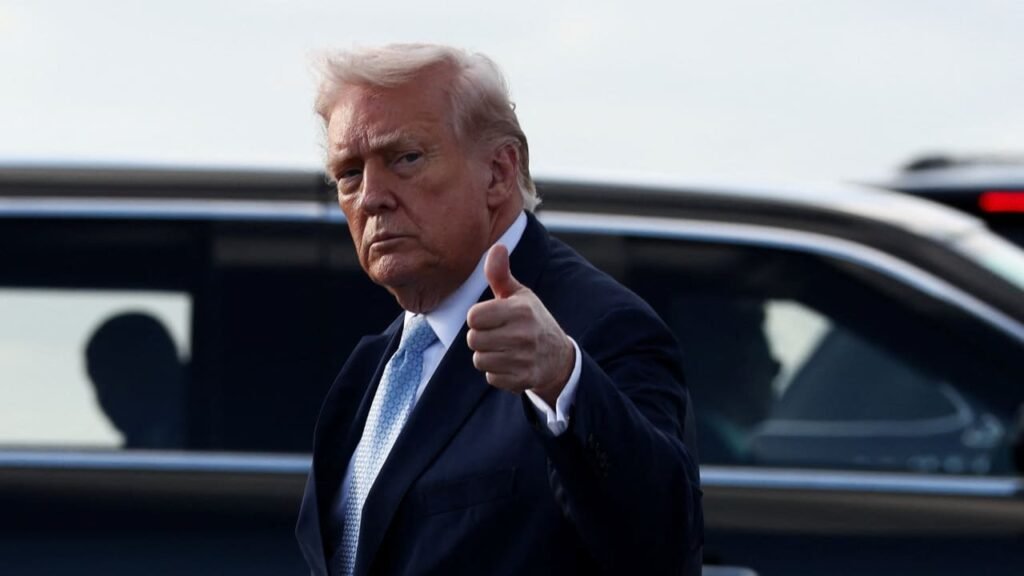
US-Iran tensions have sharply escalated after a fresh exchange of military strikes, with US President Donald Trump declaring Iran a “Failed Nation” and saying “IT IS DEAD!” as Washington and Tehran resumed hostilities after a period of relative calm.
Trump made the remarks on Truth Social on August 31, following US strikes on Iran’s Larak Island and subsequent Iranian missile attacks targeting US military facilities in Jordan. The renewed confrontation has raised concerns over the future of diplomacy, energy supplies and financial-market stability across the Middle East.
Trump Escalates Rhetoric Against Iran
In his statement, Trump claimed that Iran had lost major military and economic capabilities, including its navy, air force and currency. He also alleged that Iranian authorities were facing severe economic pressure, including extremely high inflation, and described the country’s leadership as being in “total disarray.”
Trump additionally called for Iranian leaders to face prosecution over alleged actions against protesters, escalating his criticism beyond military and economic issues. These statements represent Trump’s assessment of Iran’s current condition and should not be interpreted as independently verified measures of the country’s overall economic or military status.
The comments followed renewed military action in the region. US forces struck Larak Island after Washington said Iranian forces were preparing to deploy sea mines in the Strait of Hormuz. Iran subsequently launched ballistic missiles toward US bases in Jordan, with Jordanian forces reporting that several missiles were intercepted.
Strait of Hormuz Becomes a Major Market Concern
The latest escalation is particularly important for global financial markets because of the Strait of Hormuz, one of the world’s most important energy corridors.
The waterway handles a significant share of global oil shipments, meaning any prolonged disruption could place upward pressure on crude prices. Recent reports indicate that oil transit through the strait has already been substantially affected by the conflict.
For traders, the situation creates a major geopolitical risk. A further deterioration in US-Iran relations could increase the risk premium attached to crude oil and potentially push energy prices higher. Higher oil prices could, in turn, increase inflationary pressure in energy-importing economies.
Impact on Forex, Gold and Global Markets
The renewed US-Iran conflict could also have broader implications for Forex and commodity markets.
The US dollar could attract safe-haven demand if investors become more concerned about a wider Middle East conflict. At the same time, gold may benefit from increased demand for traditional defensive assets during periods of geopolitical uncertainty.
Oil-sensitive currencies and emerging-market assets could face additional volatility if crude prices rise sharply. Equity markets could also come under pressure if investors begin pricing in prolonged disruptions to energy supplies or another round of sanctions against Iran.
For central banks, a sustained increase in oil prices could complicate interest-rate decisions by increasing inflation expectations while weakening economic growth.
What Comes Next for US-Iran Relations?
The latest escalation creates another challenge for diplomatic efforts between Washington and Tehran. Although the two sides have previously discussed mechanisms to reduce tensions, the renewed military exchanges could make negotiations more difficult.
For financial markets, traders will closely monitor developments around the Strait of Hormuz, additional US sanctions, Iranian retaliation and any signals from Washington regarding further military action.
The key risk is whether the latest confrontation remains limited or develops into a broader regional escalation. Until greater clarity emerges, oil, gold, the US dollar and global risk sentiment are likely to remain highly sensitive to every major US-Iran development.
