

Iran-Oman Hormuz Deal Nears Final Stage, Putting Oil Prices and Global Markets in Focus
Iran and Oman are moving closer to an agreement on a temporary safe shipping route through the Strait of Hormuz, raising hopes of easing one of the biggest risks facing global energy markets. Iran’s Foreign Ministry said on September 7 that negotiations with Oman over identifying safe routes through the strategic waterway have reached their […]
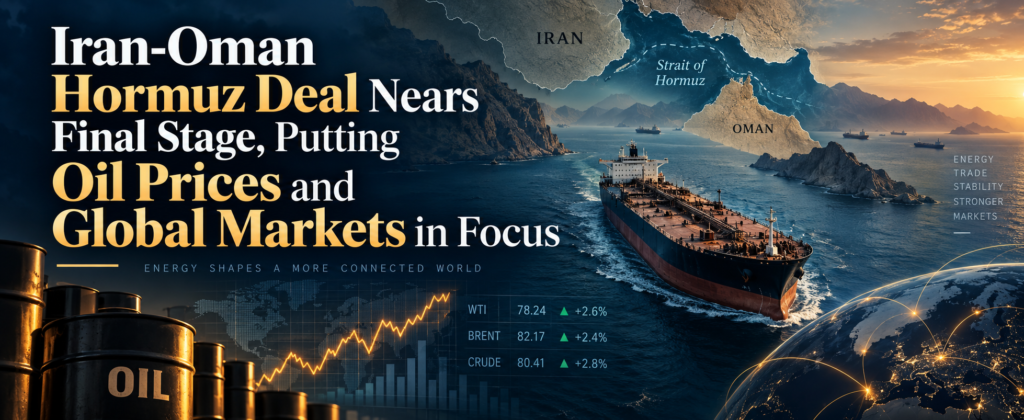
Iran and Oman are moving closer to an agreement on a temporary safe shipping route through the Strait of Hormuz, raising hopes of easing one of the biggest risks facing global energy markets. Iran’s Foreign Ministry said on September 7 that negotiations with Oman over identifying safe routes through the strategic waterway have reached their final stage.
Iranian Foreign Ministry spokesperson Esmaeil Baghaei said the talks had progressed well and that an agreement could be reached in the coming days. The proposed arrangement is expected to establish a temporary safe route and could be registered with the International Maritime Organization.
Hormuz Talks Could Ease Shipping Risks
The Strait of Hormuz remains at the centre of global energy-market concerns because of its importance to international oil and gas shipments. Any prolonged disruption to commercial traffic through the waterway can increase transportation costs, tighten energy supplies and push crude prices higher.
The latest Iran-Oman negotiations therefore carry significance beyond the region. A functioning temporary corridor could allow more tankers to move through the waterway with greater confidence, potentially reducing the geopolitical risk premium currently embedded in oil prices.
However, the situation remains uncertain. Reuters reported that Iran plans to announce a new restricted zone in the Gulf and provide maps for a new international shipping corridor. Tehran has also linked continued access to the corridor to the cessation of hostile U.S. actions.
Oil Prices Remain Highly Sensitive
The diplomatic development comes as oil markets remain under pressure from renewed U.S.-Iran military tensions. Reuters reported on September 7 that Brent crude was trading near $96 a barrel, while U.S. West Texas Intermediate crude was around $91, with both benchmarks close to multi-week highs.
The prospect of a safer shipping route could eventually put downward pressure on crude prices if traders become more confident that physical supply disruptions will be contained. However, any renewed attacks on tankers or restrictions around Hormuz could quickly reverse that sentiment.
This makes the coming days particularly important for oil traders. Markets are likely to focus not only on whether Iran and Oman formally announce an agreement, but also on whether commercial vessels actually begin using the proposed corridor.
Forex and Global Markets in Focus
For Forex traders, the Hormuz situation matters because changes in oil prices can influence inflation expectations and central-bank policy.
A sustained decline in crude prices could reduce inflation pressure, potentially giving major central banks greater flexibility on interest rates. That could affect the U.S. dollar, euro, Japanese yen and other major currencies through changing expectations for monetary policy.
On the other hand, another surge in oil prices could strengthen inflation concerns and reinforce expectations for higher interest rates. This could support the U.S. dollar while creating additional pressure on risk-sensitive currencies and emerging markets.
Gold is also likely to remain sensitive to developments. Although lower geopolitical tensions could reduce safe-haven demand, renewed conflict around Hormuz could increase demand for traditional defensive assets.
Markets Await a Concrete Agreement
The latest Iran-Oman development is encouraging, but traders should distinguish between negotiations reaching their final stage and an agreement actually being implemented.
Reuters reported that shipping through Hormuz has already been disrupted by the latest escalation, while Iran is preparing new restrictions around the waterway.
If Tehran and Muscat successfully establish a functioning temporary corridor, the move could provide some relief to energy markets and reduce immediate supply concerns. But if negotiations fail or military tensions intensify, oil prices could remain elevated and continue feeding inflation concerns across major economies.
For global markets, the key question is now whether diplomacy can translate into reliable commercial access through the Strait of Hormuz. Until that becomes clearer, oil, the U.S. dollar, gold and major currency pairs are likely to remain highly sensitive to every new development from the region.
